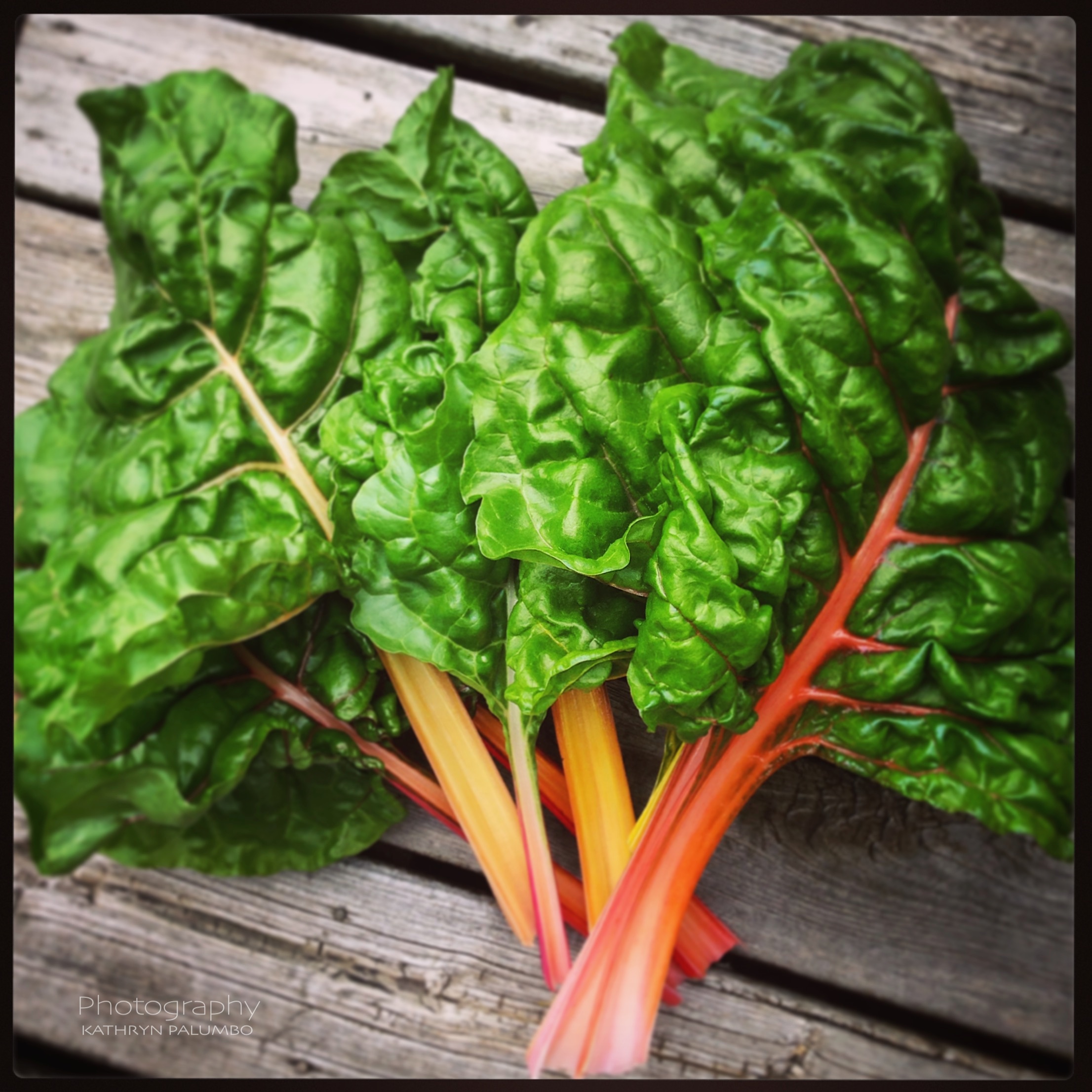
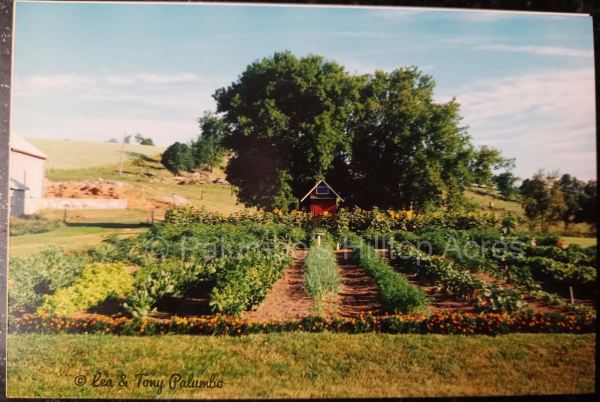
Swiss Chard is a gorgeous plant to grow. Equally delicious and nutritious. Or so I thought! This is an update (as of August 2023). I used to grow and eat a lot of Swiss Chard. I actually grew up eating it as well because my parents bought and retired to a farm when I was twelve years old. Their large garden seemed to get bigger with each season and with that, new varieties of vegetables were constantly introduced to our diet. I’ll see if I can dig up a photo of the garden and post it here.
You may have not noticed that I’ve not been updating anything on this blog for a long time, but around the time I started writing this blog many years ago my health had slowly deteriorated due to a mysterious illness that only got diagnosed in 2020. It’s called CIRS (chronic Inflammatory Response Syndrome). It’s awful. I’m definitely on the mend, by the fact that I have the energy to even write this. The chronic fatigue is the remaining issue I’m dealing with but I digress…
The reason I popped on here is to make some edits to this site. I’ve learned a lot through my decades-plus long-haul illness and one thing in particular is that there is a thing called oxalates that is found in vegetables that can cause havoc in the body. It’s a kind of defence chemical that plants create to protect themselves from being eaten. Many animals are privy to this and is why in the wild you will notice animals munching on small plants in an area of a field but not decimating what’s there (goats excluded 😛 ).
Swiss Chard, Spinach and Beet Greens are some of the big oxalate offenders. Read, Toxic Superfoods: How Oxalate Overload is Making You Sick–And How To Get Better, by Sally K. Norton.
However, I wrote this post years ago to lament the damage the Leaf Miners can do to plants. I personally don’t eat Swiss Chard anymore, and I do try to follow a low-oxalate diet because I know I am particularly sensitive to oxalates. Check out Sally K. Norton’s website to see if you have any of the symptoms.
What can you do when your beautifully tended Swiss Chard leaves start to look pale, splotchy and dried out? There could be Leaf Miners burrowing between the leafs’ membranes.
Below is an image showing early onset.

It’s easy enough to scout these Leaf Miners before they even become miners. Catch them while they’re young and still eggs. Barely noticeable to the naked eye, they look like tiny white dot. But under the magnification of a macro lens you can see their shape. They actually look like a grain of rice or a Tic-Tac® depending on your vintage or vantage. In the photo below you should be able to count eight eggs.


Use your finger or a tissue to gently wipe the eggs off your Chard leaves. If you don’t they will shape-shift and burrow into the leaves. How do they even get on your leaves in the first place? Well, these eggs are laid by a fly. Remarkable isn’t it? When the eggs hatch, the larvae turn into maggots which then burrow inside the leaves, hence the name Leaf Miners.
You can read Backyard Farming’s blog post about it here.
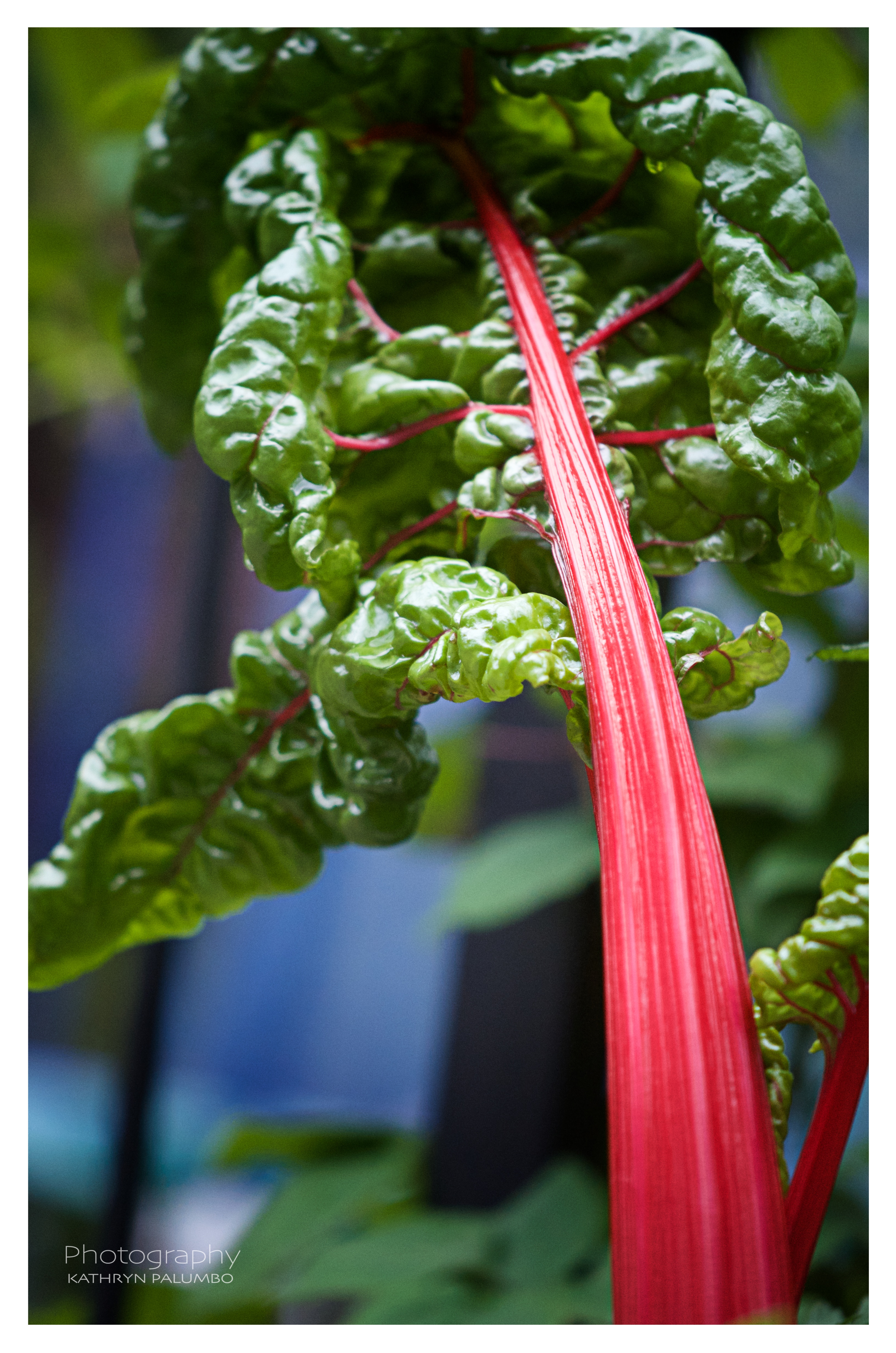 It’s fun to learn new things. Hope this helps you keep your chard plants happy. If only for beautiful photos and not for eating. You can let your chard go to seed and the birds will feast, they also will feast on the insects that munch on your plants. Happy ecosystem.
 You As A Cook